Listen to the People Closest to the Work
Teachers, assistants, families, administrators, and students often understand implementation challenges before those challenges appear in a report.
Meet Bonnie
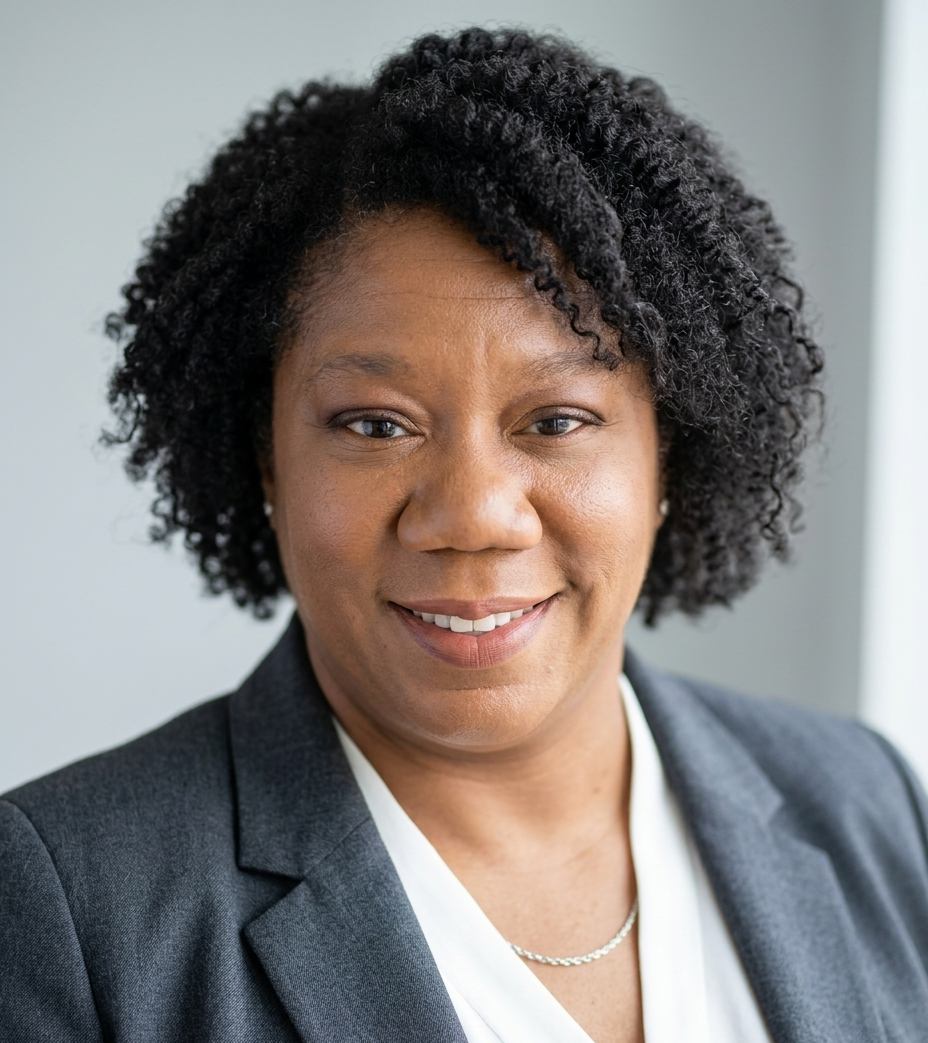
Bonnie Greaves is an Army veteran, mother of four, longtime community member, and experienced educator who has worked across classrooms, grade levels, and student-support programs. She is running for the Wake County School Board to bring practical classroom experience, thoughtful leadership, and a commitment to teachers, students, families, and responsible decision-making.
Why Experience Matters
Bonnie's perspective on education comes from years of working directly with students, educators, assistants, families, and school programs. She has seen how staffing decisions affect classrooms, how support services shape student success, and how policies can create new responsibilities for the people expected to carry them out.
Her campaign is grounded in a simple belief: the people making decisions about public schools should understand the practical impact of those decisions.
A Commitment to Service
Bonnie's life has been shaped by service—to her country, her family, her students, her colleagues, and her community. That commitment has taught her to listen carefully, take responsibility seriously, work with people from different backgrounds, and remain focused on the mission even when circumstances are difficult.
Her decision to run for the Wake County School Board is a continuation of that service.
An Educator's Perspective
Bonnie began her education career around 2008 and has worked in a variety of educational roles and settings. Her experience includes autism support, behavioral support, special education, English language arts, and English learner instruction.
She has served students across elementary, middle, and high school environments and has worked in both public and charter school settings. That breadth of experience has allowed her to see how decisions change from one classroom to another—and why school leaders must avoid one-size-fits-all solutions.
Bonnie has taught English language arts and has also worked with English learners. She understands that students enter classrooms with different levels of preparation and that effective instruction requires communication, literacy support, and recognition of varied learning needs.
Career start date (approximately 2008) is provisional pending campaign confirmation. Individual position dates are not published until verified.
Leadership in Practice
While leading a behavioral support program, Bonnie was asked to take on additional responsibility after the autism support teacher left during the school year and no replacement was hired.
Because Bonnie had previously worked in autism support, she stepped in and helped keep the program operating alongside two instructional assistants. When the vacancy remained unfilled the following year, she continued overseeing both the behavioral support and autism support programs.
The experience gave Bonnie a firsthand understanding of what staffing shortages mean inside schools: greater pressure on educators, additional responsibility for assistants, concerns for families, and the need to ensure students continue receiving appropriate support.
Staffing decisions are never just numbers on a page. They directly affect students, educators, assistants, and families.
Thoughtful leadership lessons drawn from Bonnie's experience leading student-support programs during a staffing vacancy.
Staffing vacancies affect entire programs, not only one position.
Instructional assistants need support, communication, and clear leadership.
Students with specialized needs require continuity and appropriate services.
Programs cannot succeed without enough trained people to carry them out.
School leaders should understand implementation before approving new expectations.
Educators should be heard when decisions affect their daily work.
Breadth of Experience
Supporting Students with Diverse Needs
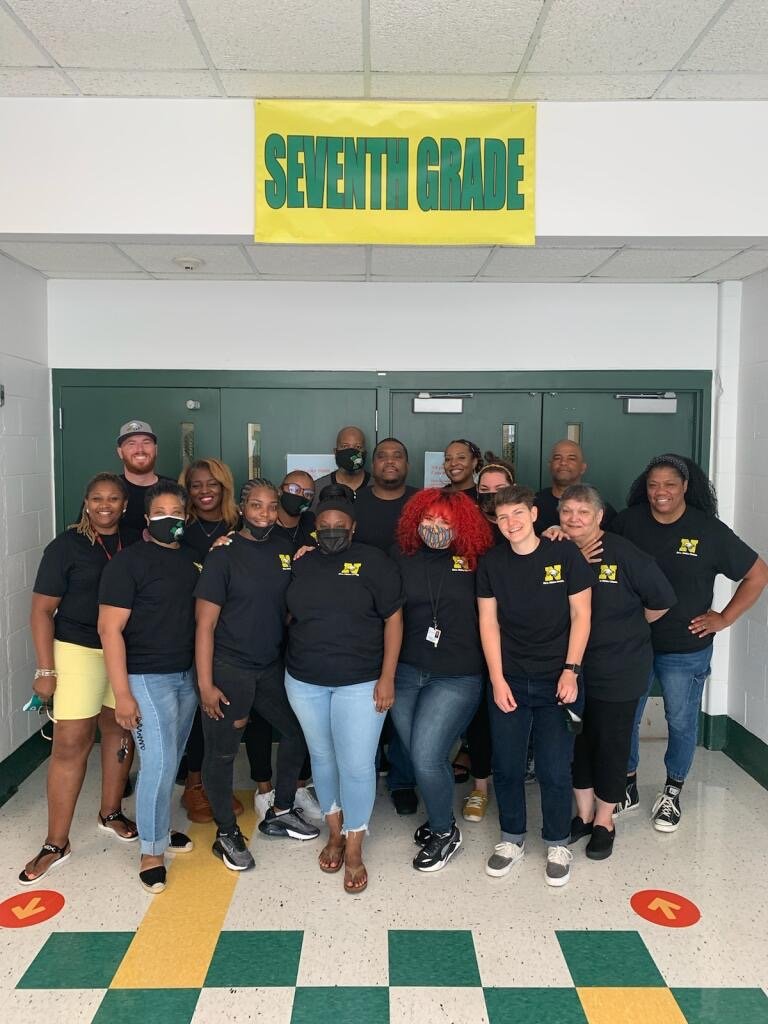
Bonnie has worked directly in autism support, behavioral support, and special education settings. She understands that students may need different environments, staffing levels, instructional strategies, accommodations, and support systems to succeed.
She also understands that these services depend on coordination among teachers, instructional assistants, families, administrators, and other members of the educational team.
Service to Country
Bonnie's service in the United States Army strengthened her commitment to responsibility, teamwork, and leadership. It taught her that effective leaders must listen, prepare, communicate clearly, and remain accountable to the people they serve.
Those lessons have continued to guide her as an educator, parent, and community member.
Family and Community
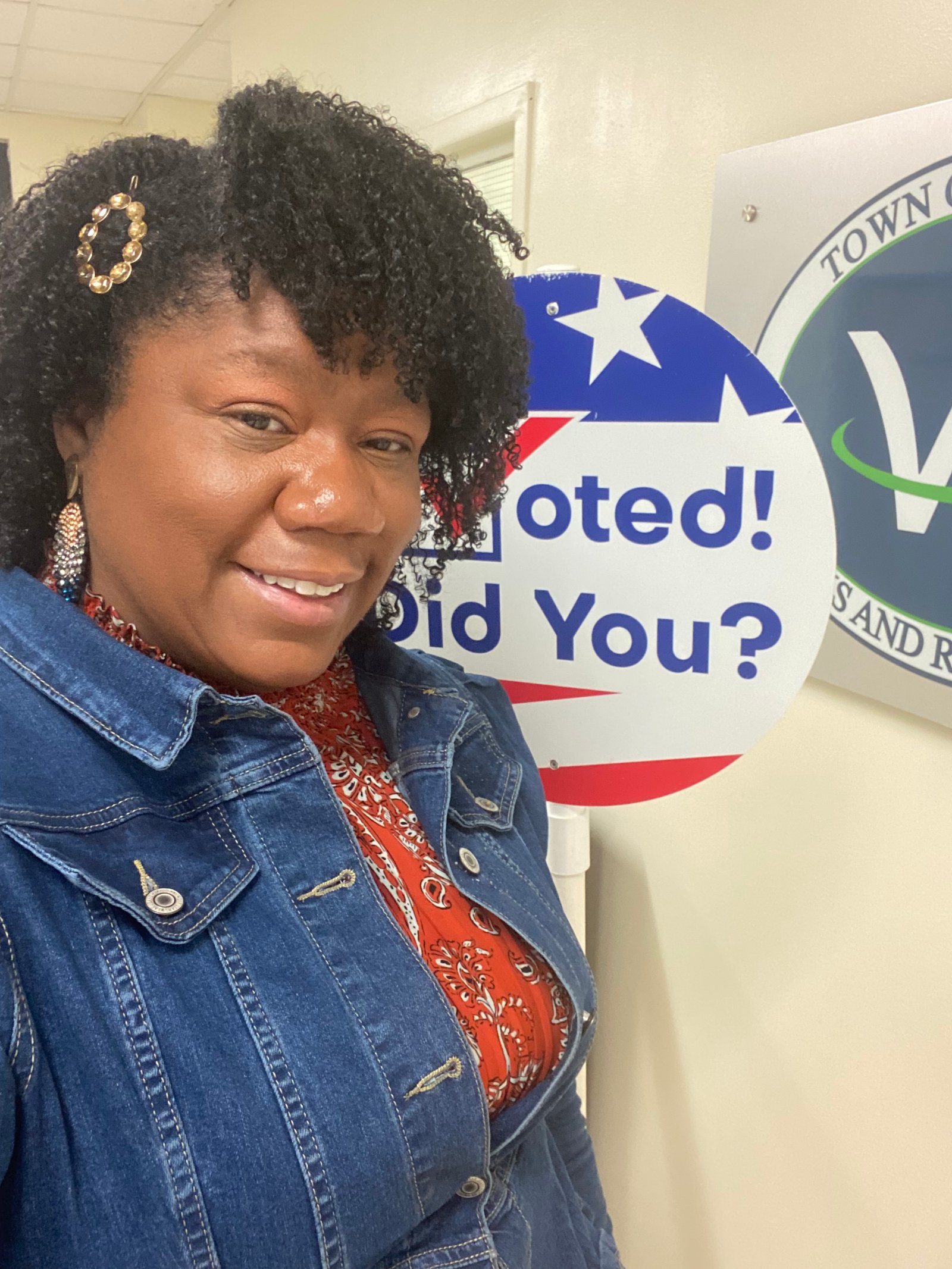
As a wife and mother of four, Bonnie understands that education decisions affect entire families. Parents and guardians need school leaders who communicate clearly, listen seriously, and recognize that each student's needs and circumstances may be different.
Bonnie's family has been part of the Wake County community for many years, and her campaign reflects a long-term commitment to the people and schools that make the community home.
Bonnie is part of a military family and has called the Wake County area home for many years.
What Bonnie Brings
Bonnie's background as an educator, program leader, veteran, and parent shapes the qualities she would bring to the school board.
Teachers, assistants, families, administrators, and students often understand implementation challenges before those challenges appear in a report.
A staffing, budget, or program decision can affect workloads, services, classrooms, families, and student outcomes in different ways.
New initiatives should have clear goals, realistic implementation plans, and meaningful ways to measure results.
Policies succeed only when the educators and staff responsible for carrying them out have the time, resources, training, and support they need.
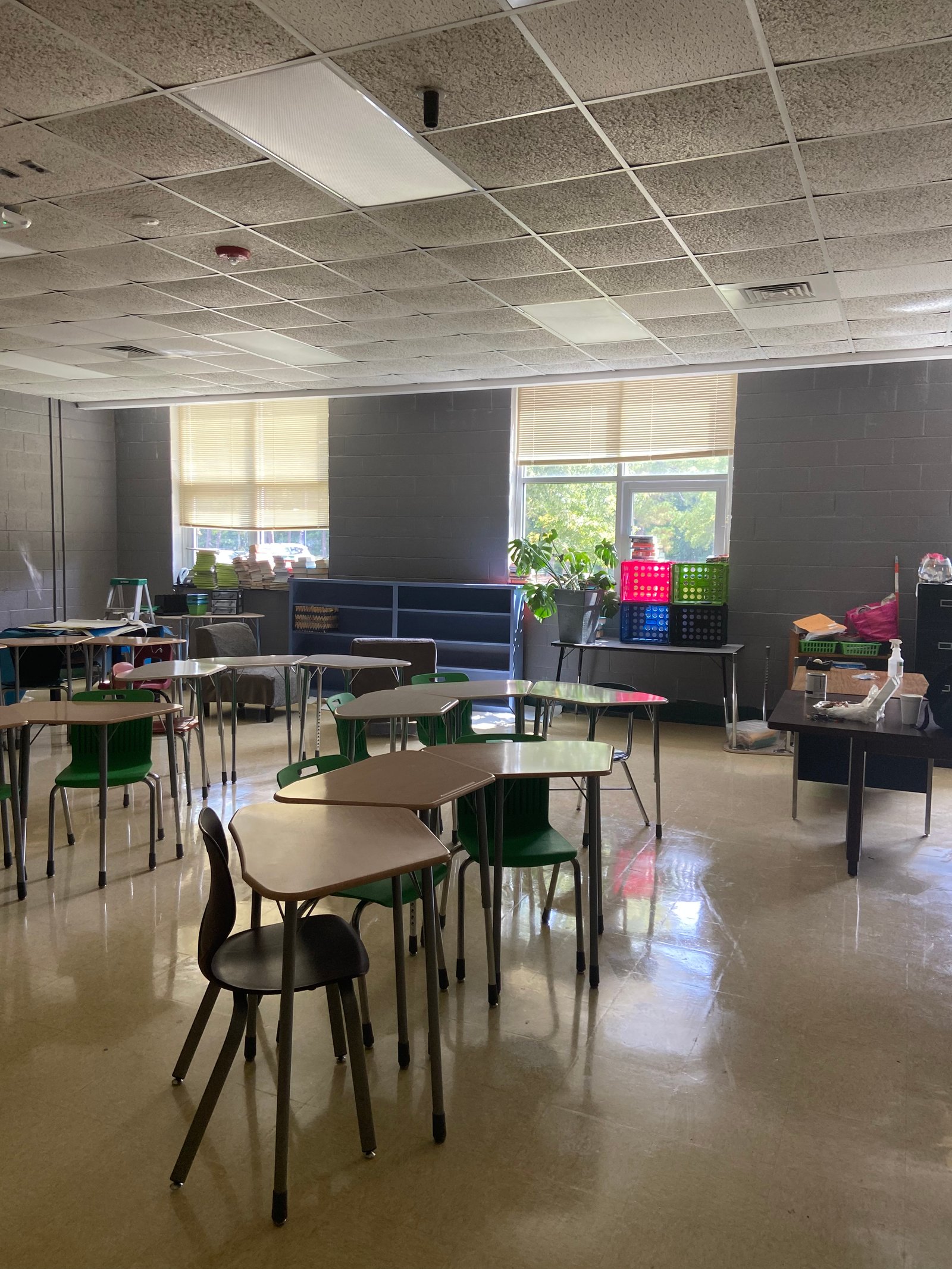
I have seen how decisions made outside the classroom can shape what happens inside it. I am running to make sure teachers, students, families, and the people doing the work are part of those decisions.
Draft campaign language — pending Bonnie's approval.
Bonnie's Journey
Service
Bonnie served in the United States Army, developing a foundation of responsibility, teamwork, and leadership that continues to guide her work today.
Family
As a wife, mother of four, and longtime member of the Wake County community, Bonnie has invested deeply in the future of local schools and families.
Education
Bonnie began her education career around 2008, bringing a service-oriented mindset into classrooms and student-support programs.
Student Support
Bonnie gained direct experience in autism support, behavioral support, and special education—understanding the staffing, coordination, and services these programs require.
Leadership
From elementary through high school, and in both public and charter settings, Bonnie has seen how policies and resources shape different classrooms and programs.
Leadership
When a staffing vacancy left two student-support programs without a dedicated leader, Bonnie stepped forward to help keep both programs operating.
Campaign
Bonnie is running to bring classroom experience, thoughtful leadership, and accountability to school board decisions that affect teachers, students, and families.
Experience with a Purpose
Bonnie's priorities are not abstract campaign themes. They are rooted in what she has seen and experienced as an educator, program leader, parent, veteran, and community member.
Classroom and program leadership experience informs Bonnie's commitment to educators.
Direct work in specialized support programs shapes Bonnie's focus on appropriate services.
Years inside schools inform Bonnie's expectation for responsible leadership and clear communication.
Join the Campaign
Join Bonnie Greaves in building a campaign focused on teachers, students, families, responsible leadership, and the future of Wake County schools.